Many email marketing problems are not actually email problems. They are targeting problems.
When companies complain about low open rates, poor click-through rates, or declining engagement, the issue often comes down to one thing. They are sending the same message to everyone.
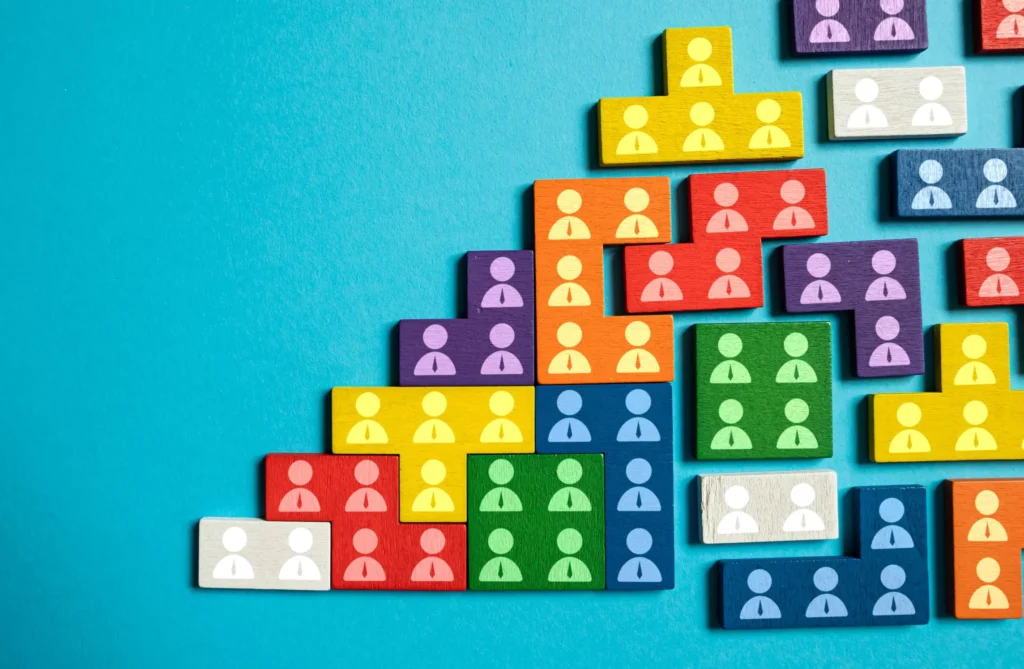
Email segmentation solves this. It transforms a generic broadcast into a relevant conversation. Instead of treating your list as one big audience, segmentation allows you to speak differently to different groups based on who they are, what they need, and how they behave.
When done properly, segmentation does more than improve metrics. It changes how people experience your brand. Messages feel useful instead of intrusive, relevant instead of promotional.
Key Takeaways
- Email segmentation improves relevance. Instead of sending the same campaign to everyone, you tailor messages to specific subscriber groups.
- Segmented campaigns consistently outperform generic emails. They can generate significantly higher open rates, clicks, and conversions.
- Behavioural data is the most valuable segmentation signal. Actions such as clicks, purchases, and page visits reveal real intent.
- Start simple. Segments such as new subscribers, active customers, and inactive contacts already produce noticeable improvements.
- Lifecycle segmentation aligns communication with customer intent. Different stages require different types of emails.
- Segmentation and personalisation work together. Segmentation decides who receives the email, while personalisation adapts the content.
- Advanced segmentation uses automation and behavioural triggers to deliver highly relevant messages at scale.
- The easiest improvement to make today is to stop emailing your entire list. Ask who should receive the message and who should not.
What Is Email Segmentation?
Email segmentation is the process of dividing an email subscriber list into smaller groups based on shared characteristics such as behaviour, demographics, location, or engagement. Each segment receives tailored messages designed to match its specific interests or needs.
In practical terms, segmentation answers a simple question. Should every subscriber receive the same message?
The answer is almost always no.
Imagine sending a discount offer to someone who already bought the product yesterday. Or sending beginner tutorials to an experienced customer. These mistakes happen when segmentation is missing.
Segmentation prevents this by making sure the right people receive the right message at the right time.
Understanding the Basics of Email Segmentation
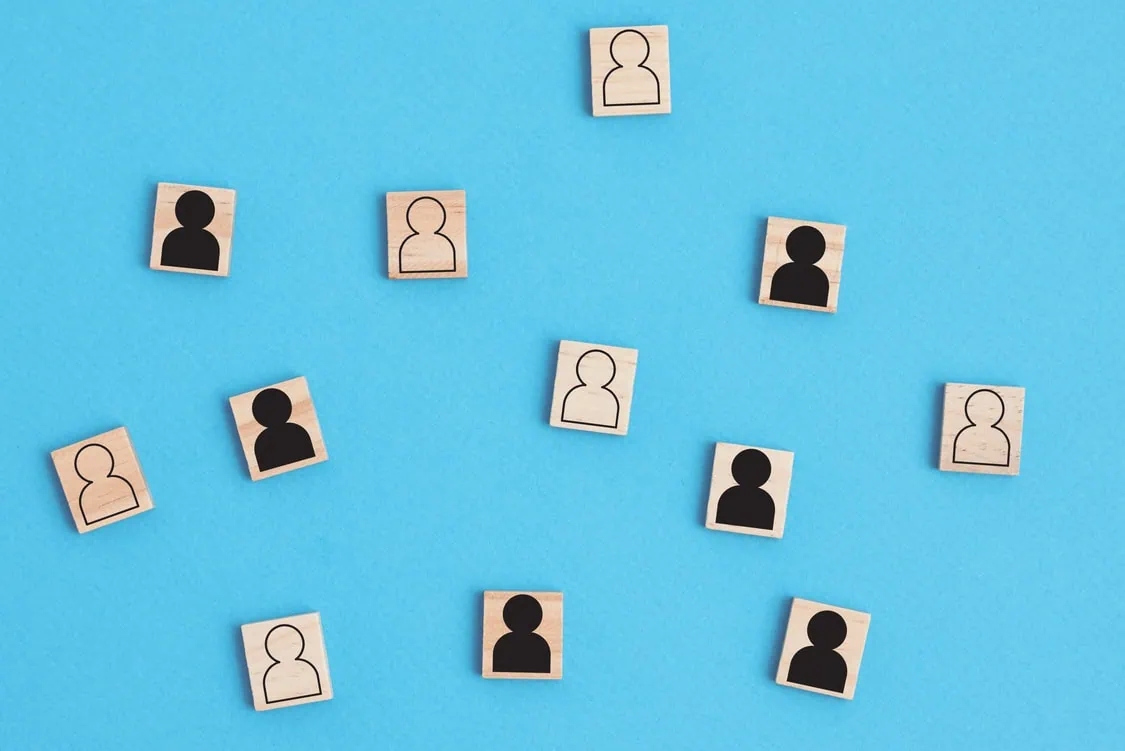
Email segmentation works by grouping subscribers based on meaningful data so that marketing messages become more relevant. Instead of sending one generic campaign to your entire list, segmentation allows you to tailor emails for different audiences.
At its simplest level, segmentation can start with basic categories such as new subscribers, active customers, and inactive contacts. As your strategy matures, segments become more detailed and behavioural.
A useful way to think about segmentation is this:
Your email list is not a crowd; it is a collection of individuals with different motivations.
The job of segmentation is to recognise those differences.
Benefits of Email Segmentation
Email segmentation improves marketing performance by delivering more relevant messages to specific audiences. When emails match subscriber interests and behaviour, engagement naturally increases.
Studies show that segmented email campaigns can generate up to 760% more revenue than generic batch-and-blast emails, and nearly 58% of all email marketing revenue now comes from targeted and triggered campaigns rather than broad sends. (Verified Email)
The impact is measurable across several metrics.
Metric | Typical Impact of Segmentation |
Open Rate | 14–30% higher than non-segmented campaigns |
Click-Through Rate | Up to 2× higher engagement |
Conversion Rate | Up to 6× higher conversions |
Unsubscribe Rate | Up to 50% lower |
Beyond performance metrics, segmentation also improves brand perception. Subscribers are more likely to trust companies that demonstrate understanding of their needs.
The Most Important Types of Email Segmentation
Email segmentation can be based on many types of data, but several core segmentation models consistently deliver strong results. Each focuses on a different aspect of customer behaviour or identity.
Behavioural Segmentation
Behavioural segmentation groups subscribers based on how they interact with your brand. This includes actions such as purchases, website visits, email clicks, or product usage.
Behaviour-based segmentation often produces some of the strongest engagement results. Campaigns triggered by browsing activity or purchase behaviour regularly see 20–30% higher click-through rates compared with broad list campaigns. (KeyGroup)
This form of segmentation is extremely powerful because behaviour reveals intent. Someone browsing pricing pages multiple times is showing clear interest.
Examples of behavioural segments include:
- Customers who purchased in the last 30 days
- Subscribers who clicked a specific product category
- Users who abandoned a shopping cart
- Leads who downloaded a whitepaper
These signals help marketers deliver timely and relevant messages.
Demographic Segmentation
Demographic segmentation categorises subscribers based on characteristics such as age, job title, income level, or industry.
This approach is especially useful in B2B marketing, where job roles influence decision-making responsibilities.
Examples include:
- Marketing managers
- CFOs
- Startup founders
- Enterprise IT leaders
Different demographics care about different outcomes. A marketing director may prioritise growth metrics, while a finance executive may focus on cost efficiency.
Geographic Segmentation
Geographic segmentation groups subscribers based on their physical location. This can include country, region, city, or even time zone.
Location often influences:
- purchasing habits
- regulatory considerations
- seasonal needs
For example, a winter promotion may be relevant in Canada but irrelevant in Australia at the same time of year.
Timing also improves with geographic segmentation. Sending emails during local business hours increases visibility and engagement.
Psychographic Segmentation
Psychographic segmentation focuses on attitudes, values, interests, and motivations rather than observable demographics.
This type of segmentation helps marketers understand why customers make decisions.
Examples include audiences interested in:
- sustainability
- innovation
- luxury experiences
- affordability and practicality
Psychographic data often comes from surveys, customer interviews, or behavioural analysis.
Customer Lifecycle Segmentation
Customer lifecycle segmentation groups subscribers based on where they are in the customer journey.
Common lifecycle stages include:
Stage | Typical Email Focus |
New Subscriber | Welcome emails and brand introduction |
Lead | Educational content and trust building |
Customer | Product support and upselling |
Loyal Customer | Loyalty programs and advocacy |
Inactive | Re-engagement campaigns |
Lifecycle segmentation ensures that communication matches the relationship stage with the brand.
Engagement-Based Segmentation
Engagement segmentation divides subscribers based on how actively they interact with emails.
Some contacts open every campaign. Others have not interacted for months.
Typical segments include:
- Highly engaged subscribers
- Moderately engaged contacts
- Inactive subscribers
Adjusting email frequency based on engagement can protect sender reputation and improve deliverability.
What Is the Difference Between Email Segmentation and Personalisation?
Email segmentation divides subscribers into groups with shared characteristics, while personalisation adapts content within an email for individual recipients. Segmentation determines who receives a message, while personalisation determines how the message appears to each person.
Segmentation is the strategic layer. Personalisation is the tactical layer.
Technique | Example |
Segmentation | Sending a product launch only to customers interested in that category |
Personalisation | Including the subscriber’s name and recommended products in the email |
The two approaches work best together. Segmentation ensures relevance, while personalisation increases engagement within that context.
What Data Is Used for Email Segmentation?
Email segmentation relies on subscriber data that reveals preferences, identity, or behaviour. This data can come from sign-up forms, CRM systems, website activity, and purchase history.
Common data sources include:
- Email engagement metrics
- Website browsing behaviour
- Purchase history
- Demographic information
- Survey responses
- Customer support interactions
The most effective segmentation strategies combine multiple data types. Behavioural data often proves the most valuable because it reflects real actions rather than assumptions.
How to Start With Email Segmentation (Beginner Steps)
Starting with email segmentation does not require complex software or large datasets. A few thoughtful segments can already produce better engagement and conversions.
A practical starting process includes:
- Identify your most important audience groups.
- Collect key data through signup forms or purchase records.
- Create simple segments such as new subscribers, active customers, and inactive contacts.
- Tailor email content for each segment.
- Monitor performance and refine segments over time.
The biggest mistake beginners make is trying to build dozens of segments immediately. Starting with three or four meaningful groups usually works best.
Advanced Email Marketing Segmentation
Advanced email segmentation uses automation, predictive analytics, and behavioural triggers to create highly personalised messaging at scale. Instead of static segments, dynamic segments adjust automatically based on real-time data.
Advanced segmentation techniques include:
- predictive purchase segmentation
- AI-driven product recommendations
- dynamic behavioural triggers
- multi-channel behavioural tracking
For example, a subscriber who repeatedly views a specific product category might automatically receive educational content, customer testimonials, and targeted promotions related to that category.
Recent marketing surveys show that around 64% of marketers already use AI to support segmentation tasks, and those using AI-driven segmentation report significant productivity improvements and measurable revenue gains compared with manual segmentation alone. (Verified Email)

How to Turn Email Segmentation Into Immediate Results
Most companies believe they need better email copy. In reality, they usually need better segmentation. Nearly 90% of marketers who actively use segmentation report improved campaign performance, yet many companies still rely on generic list-wide campaigns. (Verified Email)
Before writing your next campaign, pause and ask a simple question. Who should not receive this email?
That single decision often improves results more than rewriting the subject line five times.
Here are three practical habits that immediately improve segmentation quality:
- First, stop sending campaigns to your entire list by default. Create at least three core segments, such as new subscribers, active customers, and inactive contacts.
- Second, pay close attention to behaviour. Clicks, page visits, downloads, and purchases reveal far more about intent than demographic data ever will.
- Third, review your segments regularly. Lists evolve. Customers move through lifecycle stages, interests change, and engagement fluctuates.
If your emails feel increasingly relevant to your subscribers over time, your segmentation strategy is working.